
The beauty. The elegance. The cars. Lowrider culture shines loud and proud worldwide and is more than just a lavish aesthetic. It is a profound expression of Mexican-American heritage and Black culture. Born in the barrios of the post-war, the movement turned discarded Chevys and dilapidated “Bombs” into rolling canvas of artistic resistance with these new found vintage cruisers creating intricate statements of family identity as well as community pride. By rejecting the mainstream automotive focus, at the time, of the fast and furious “hot rod” for the “low and slow” or “bajito y suavecito”, lowriders kickstarted a unique visual language that challenged societal norms and celebrated Chicano ingenuity in the face of widespread systemic discrimination such as the Zoot Suit Riots, educational segregation and labor exploitation.
Cinema and hip-hop have been intensely influential in showcasing this vibrant subculture from the barrios and projects of Los Angeles and the Bay Area to a global stage including unexpected places like Japan and Thailand. While Chicano classics like “Boulevard Nights” and “Blood In, Blood Out” established lowriders as symbols of neighborhood and familial resilience, the culture reached an exponential high through the lens of West Coast hip-hop and Black cinema. Iconic music videos like Dr. Dre’s “Nuthin' but a 'G' Thang” and films like “Boyz n the Hood” showcased the hydraulic bounce as the new definitive cool, rejecting the passé James Dean image for community and cultural identity. This cross-cultural collaboration has helped shift public perception and transformed these vehicles from misunderstood emblems of rebellion into celebrated masterpieces of craftsmanship, cementing a shared legacy of Black and Brown artistry that continues to influence fashion, music, and lifestyle to this day.
In honor of the annual California Lowrider Holiday celebrated this June 21st, here are 19 spectacular rides used in some of the most renowned films involving the style and culture of lowriders and classic cars.
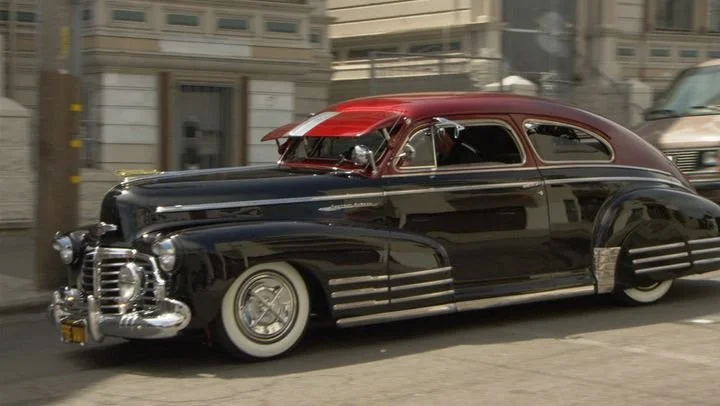
La Mission (2009)
Directed by Peter Bratt
Featured Car: 1942 Chevrolet Fleetline Aerosedan
Set in San Francisco’s Mission District, La Mission follows a tough, old-school father struggling to accept his son’s sexual identity while holding onto his old school family traditions and the weighty culture of his neighborhood pride.
The standout car in the film is Bratt’s 1942 Chevrolet Fleetline Aerosedan. It wears custom paint and Aztec-inspired glyphs tied to cultural myths, along with a dropped suspension and heavy chrome work. An airbrushed mural of the main character’s mother appears on the car beside the words, “A Mother’s love never dies.” There is also a 1964 Chevy Impala being restored in Bratt’s garage which adds to his deep connection to lowrider culture.
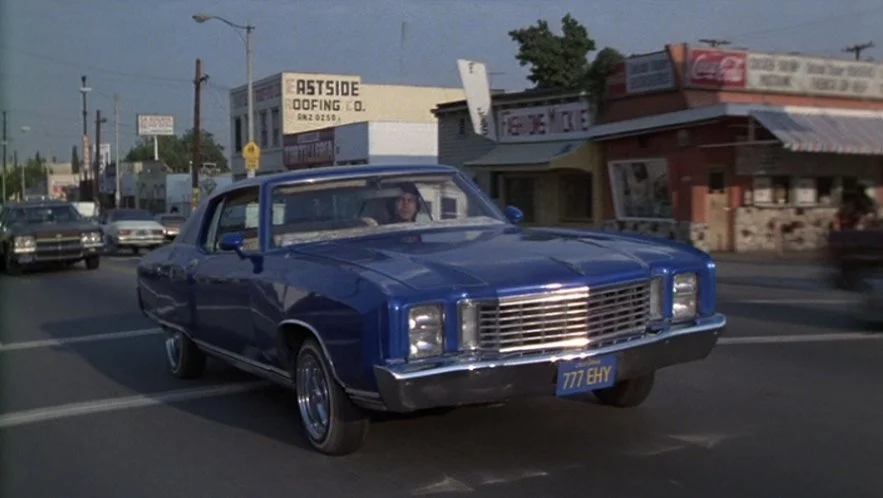
Boulevard Nights (1979)
Directed by Michael Pressman
Featured Car:1972 Chevrolet Monte Carlo Custom
Boulevard Nights centers on two brothers growing up in East Los Angeles where gang violence threatens to pull apart the familial fabric that they revere. The brothers find difficulty between staying loyal to your neighborhood and trying to build a better future. This film is considered a cult classic and became known for its realistic look into Chicano culture during the late 1970s.
The featured ride is a heavily customized 1972 Chevrolet Monte Carlo. While it keeps the stock ’72 grille, the car uses 1976–77 style fender extensions and double-stacked headlights for a more aggressive yet obviously custom front end. The custom setup gave the Monte Carlo a sharper street look that captured the cruising culture shown throughout the film.
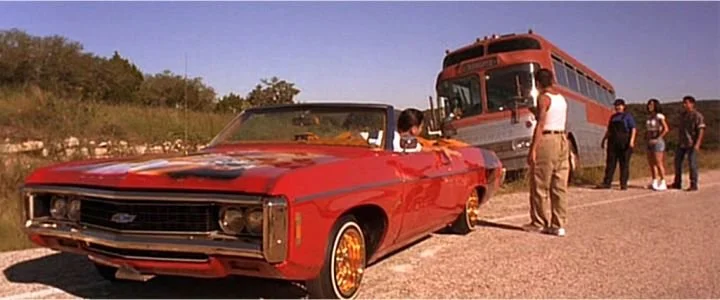
Selena (1996)
Directed by Gregory Nava
Featured Car:1969 Chevrolet Impala Convertible
Selena tells the story of Tejano music star Selena Quintanilla, following her rise from performing with her family band to becoming an international sensation of the latin music world. The film highlights her intense ambition as well as the closeness of the Quintanilla family through the rise and untimely fall of Selena. Jennifer Lopez’s performance helped catapult her into stardom while also giving Selena a wider audience as well as solidifying Selena’s music and legacy.
Let’s be honest, anyone that has watched this movie remembers the famous line “Anything for Salinas!” Along with the iconic line, the Candy Apple Red 1969 Chevrolet Impala Convertible should be just as memorable and iconic. The car features a custom orange interior and gold anodized 10-inch wire spoke rims. The beauty of the red along with the bright orange highlight of the interior solidifies its place as a lowrider classic despite missing a rear bumper.
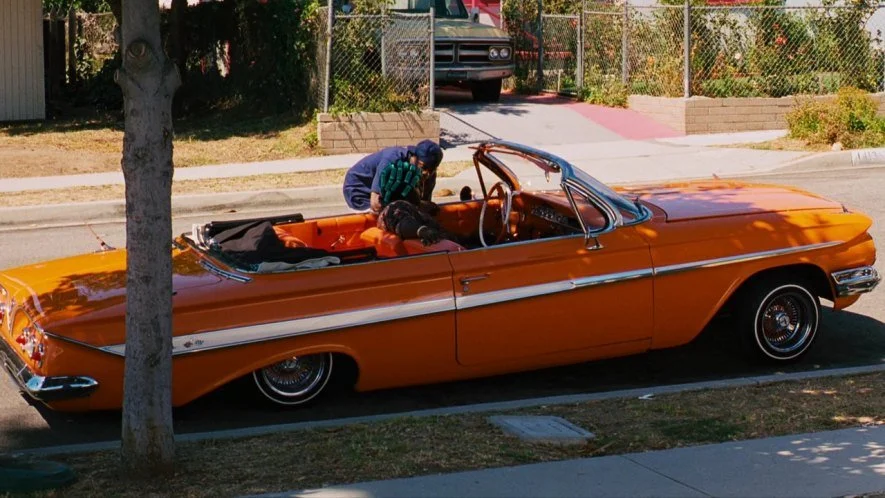
Friday (1995)
Directed by F. Gary Gray
Featured Car:1961 Chevrolet Impala Convertible
Friday follows two friends, Craig and Smokey, trying to make it through one chaotic day in South Central Los Angeles. Its laid-back style and memorable characters helped make it one of the most quoted comedies of the mid-90s and to this day fans have been clamoring for a follow up film.
Hector’s 1963 convertible Impala is legit cool but it doesn’t come close to Big Worm’s 1961 Chevrolet Impala Convertible known as “Freshley Squeezed.” It wears a bright orange pearl paint job, chrome wire spoke wheels, and a fully dropped top. The car also uses aircraft-style hydraulics that give it its signature bouncing motion. Today, the car is reportedly owned by a lowrider enthusiast in Japan where classic lowriders and chicano culture surprisingly thrive.
Blood In Blood Out (1994)
Directed by Taylor Hackford
Featured Car:1949 Mercury Eight Sport Sedan Convertible
Blood In, Blood Out follows three cousins whose lives split apart through gang life, prison, family struggles, and loyalty in East Los Angeles. Spanning several years, the film shows the split and reconciliation of the family and how different choices shape each of their futures while keeping them tied together through blood and culture. The film has garnered a heavy cult following and further cemented Taylor Hackford’s love and respect for Chicano culture.
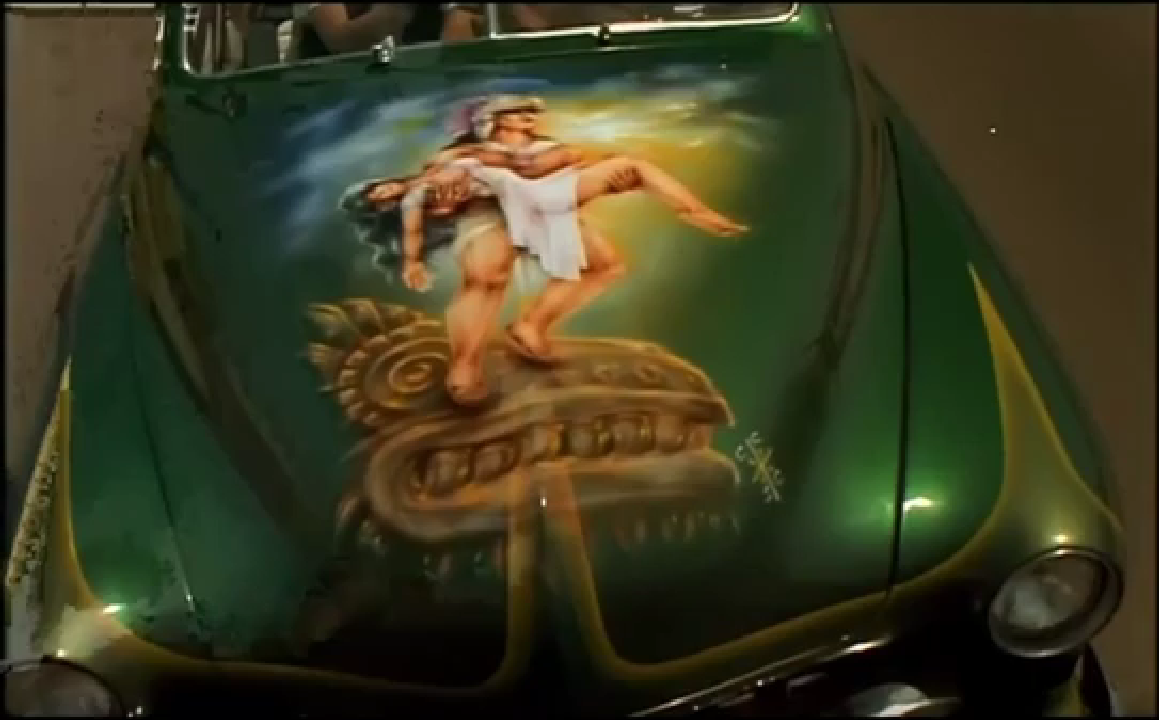
Although not shown much in the film, there is a very impressive 1949 Mercury Eight Sport Sedan Convertible driven by Paco. The car shares the same year and model as the famous Mercury from Rebel Without a Cause however Dean’s was a coupe. It features a deep green high-gloss paint finish and detailed airbrushed murals created by late artist Adan Hernandez.
Up in Smoke (1978)
Directed by Lou Adler
Featured Car:1964 Chevrolet Impala Super Sport Coupe
Two stoners accidentally get caught up in a “sticky” cross-border drug smuggling situation after driving a van unknowingly made almost entirely out of marijuana. Cheech and Chong wander the streets of Los Angeles with the ever memorable Stacy Keach on their trail as they blaze their way into a Battle of the Bands contest. This cult classic set the stage for the rise of the stoner film while also popularizing stoner culture.
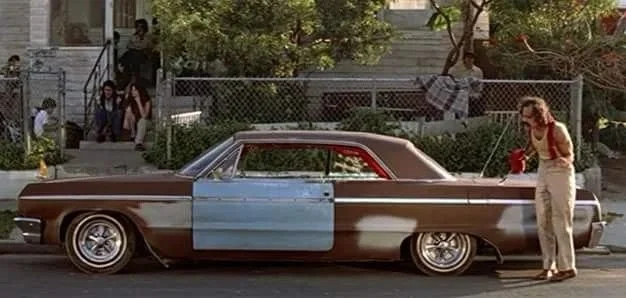
We know the 1961 Chevy P-10 Step Van is the star of the film however Cheech’s 1964 Chevrolet Impala Super Sport Coupe “The Love Machine” does not fail to be one of the strangest and most beloved cars in movie history. From the shag interior and wildly chaotic primer paint job to the loudspeaker grille and hilarious “MUF DVR” license plate, we definitely feel “The Love Machine” should garner as much love and admiration as the “Fiberweed” van.
American Me (1992)
Directed by Edward James Olmos
Featured Car:1964 Chevrolet Impala Super Sport Coupe
American Me follows Santana, a young man who gets caught up in the snares of gang culture while eventually becoming incarcerated and rises as the power leader of the chicano prison gang La Eme (The Mexican Mafia). The film is a fictional account on the real-life leader of the gang Rudy "Cheyenne" Cadena.
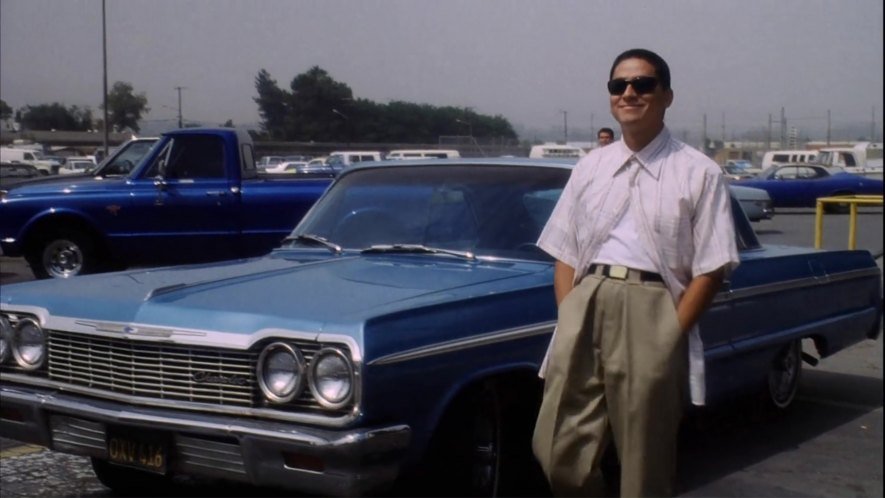
In the scene where Little Puppet is picking up his older brother Big Puppet from prison after he has been released on parole, Little Puppet is seen waiting next to a very clean light blue 1964 Chevrolet Impala Super Sport Coupe. Time and again the Impala, specifically the 1964, establishes its place as a lowrider standard in classic chicano culture.
Mi Vida Loca (1993)
Directed by Allison Anders
Featured Car:1947 Chevrolet Fleetline Aerosedan
A gritty coming-of-age crime drama set in the Echo Park neighborhood of Los Angeles, Mi Vida Loca follows the lives, friendships, and rivalries of a group of young Chicana women navigating gang culture, motherhood, and survival.
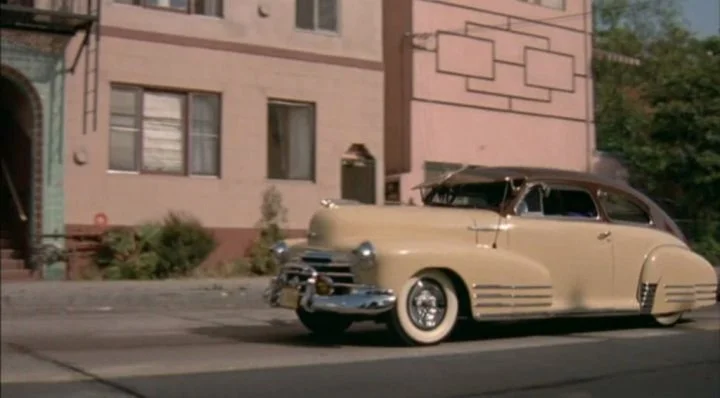
The 1947 Chevrolet Fleetline Aerosedan driven by Jesse Borrego is affectionately referred to as the name of Borrego’s character “El Duran”. The car is a celebrated fixture in chicano lowrider culture and continuously shows up on the car show circuits around the states.
Zoot Suit (1981)
Directed by Luis Valdez
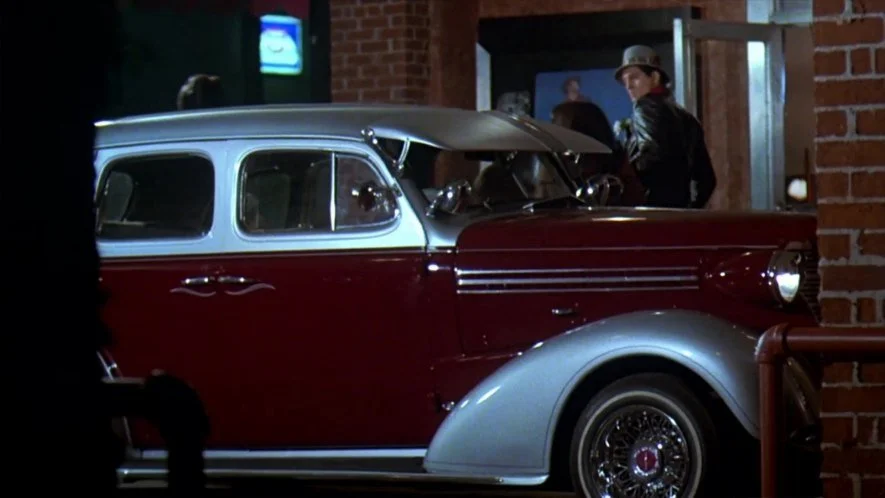
Featured Car:1938 Chevrolet Master De Luxe
A musical crime drama inspired by the real-life Sleepy Lagoon murder case and the Zoot Suit Riots, following a young Mexican American man caught in a racially charged legal battle during 1940s Los Angeles. Blending stage-inspired performances with social commentary, the film also features music by celebrated latino director Luis Valdez as well as Lalo Guerrero who was widely considered the “Father of Chicano Music”.
Despite the cars being mere set dressing for the film, there is a sweet 1938 Chevrolet Master De Luxe that appears briefly in the opening credits. Lovingly considered “Bombs” by lowrider fans, this featured car helps establish the film’s period authenticity while giving it an unmistakable and authentic chicano noir vibe.
Straight Outta Compton (2015)
Directed by F. Gary Gray
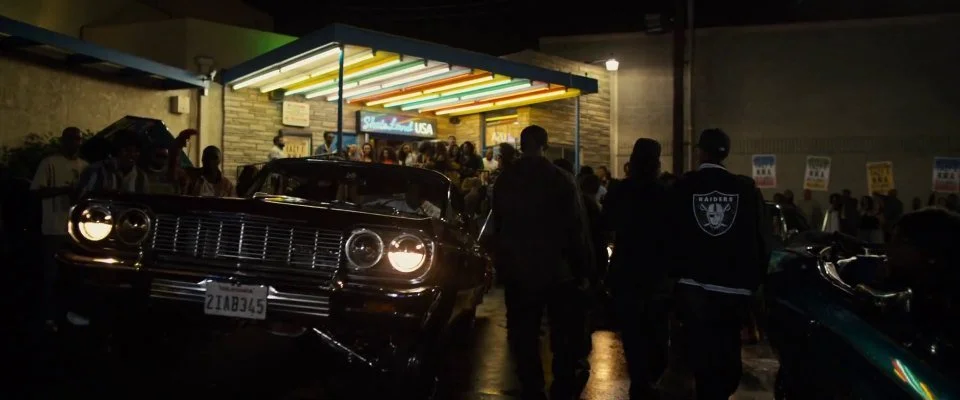
Featured Car:1964 Super Sport Coupe
Straight Outta Compton chronicles the rise of pioneering rap group N.W.A. as Ice Cube, Dr. Dre, Eazy-E, MC Ren, and DJ Yella transform the sound of hip-hop while simultaneously creating what would be known today as Gangsta Rap. The film respectably pays homage to the legends that pioneered hip hop while ultimately becoming a cultural time capsule of West Coast rap and street culture.
There are quite a few awesome Chevy Impalas featured in this film but the one that stood out the most has to be the 1964 Super Sport Coupe that we see “dancing” in the Skateland 1988 scene. No other car can reflect the style and class tied not only to lowrider cruising culture but West Coast Hip-Hop as well.
Boyz n the Hood (1991)
Directed by John Singleton
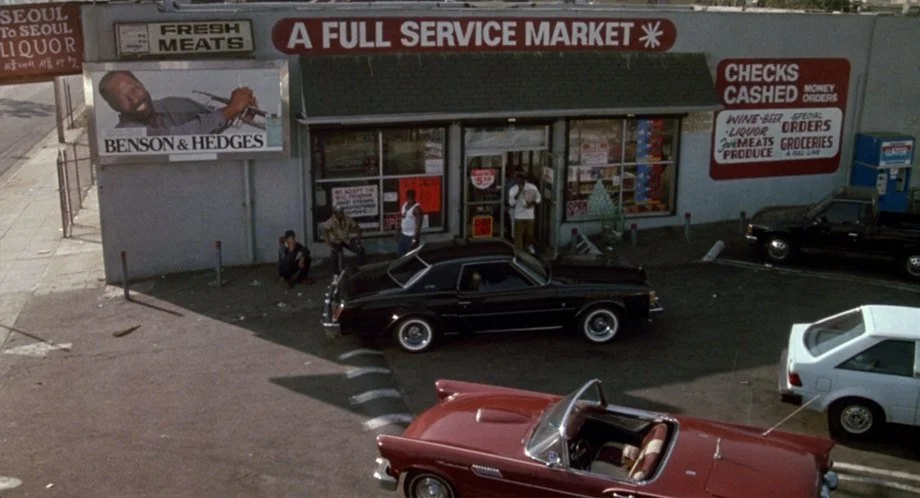
Featured Car:1957 Ford Thunderbird
Boyz n the Hood follows Tre Styles and his childhood friends growing up in South Central Los Angeles battling broken families, gang violence, and the unfortunate understanding of a fractured governmental system. Widely considered one of the most important hood dramas ever made, the film defined early 90s black urban cinema while simultaneously launching the careers of several of its young cast members, most notably Cuba Gooding Jr and Ice Cube.
Doughboy’s 1963 Chevrolet Impala Convertible steals nearly every scene it appears in, but there is also a blink-and-you-miss-it gem hidden in the film. During the pivotal scene where Tre and Ricky leave the neighborhood market moments before entering the infamous alleyway sequence, a beautiful 1957 Ford Thunderbird drop top can briefly be spotted parked nearby. It quietly expresses the beauty and culture layered in between the urban violence working class families while building towards one of the film’s most emotionally devastating moments.
Napoleon Dynamite (2004)
Directed by Jared Hess
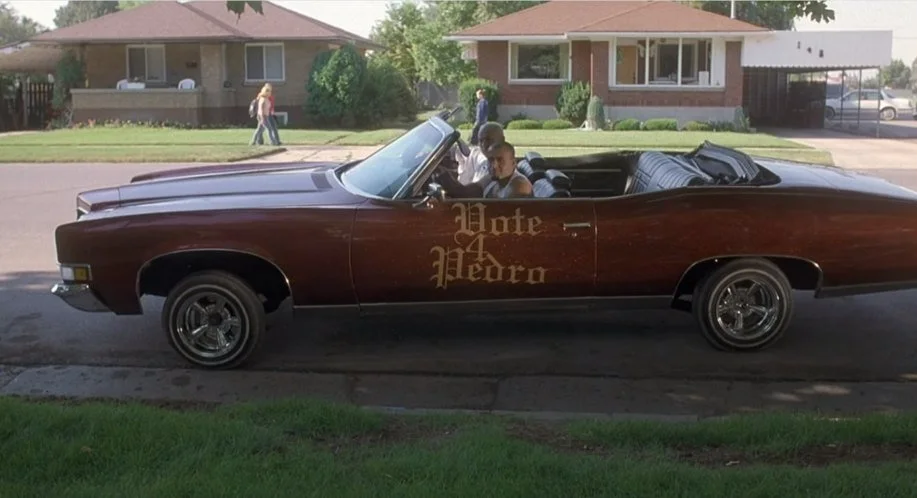
Featured Car:1971 Pontiac Grand Ville
Napoleon Dynamite follows an awkward Idaho teenager navigating high school life while dodging painfully strange social situations as well as eccentric relatives in a tiny rural town. The film’s deadpan humor and intentionally awkward tone helped turn it into one of the biggest cult comedies of the 2000s.
The film features a candy red 1971 Pontiac Grand Ville complete with lowrider hydraulics. Muscle cars like the Grand Ville rarely had the hydraulic system installed along with smaller rims and tires; however, this translated well to the film's off beat, eccentric style. The gold old english “Vote 4 Pedro” door emblem further establishes its place in bizarre avante-garde style comedy.
Training Day (2001)
Directed by Anton Fuqua
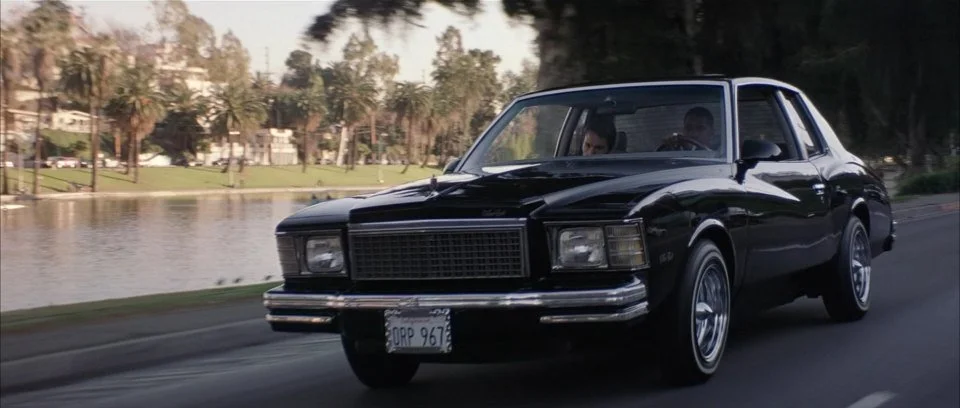
Featured Car:1979 Chevrolet Monte Carlo
Training Day follows rookie LAPD officer Jake Hoyt during a dangerous 24-hour evaluation with corrupt narcotics detective Alonzo Harris. As the day spirals further into manipulation, violence, and corruption, the film paints a brutal portrait of police power and survival on the streets of Los Angeles using brushes reminiscent of the real life late 90s/early 2000s Rampart police scandal of the LAPD.
The 1979 Chevrolet Monte Carlo featured in this crime thriller closely resembles the type of undercover street cars associated with former Rampart Division officer Rafael Perez during his narcotics operations for the LAPD. The license plate “ORP 967” is also believed to reference Perez directly, with ORP referencing Officer Rafael Perez and the numbers representing his 1967 birth year. The Monte Carlo adds another layer of realism to the film’s connection with the infamous Rampart scandal that partially inspired its story.
The Jerk (1979)
Directed by Carl Reiner
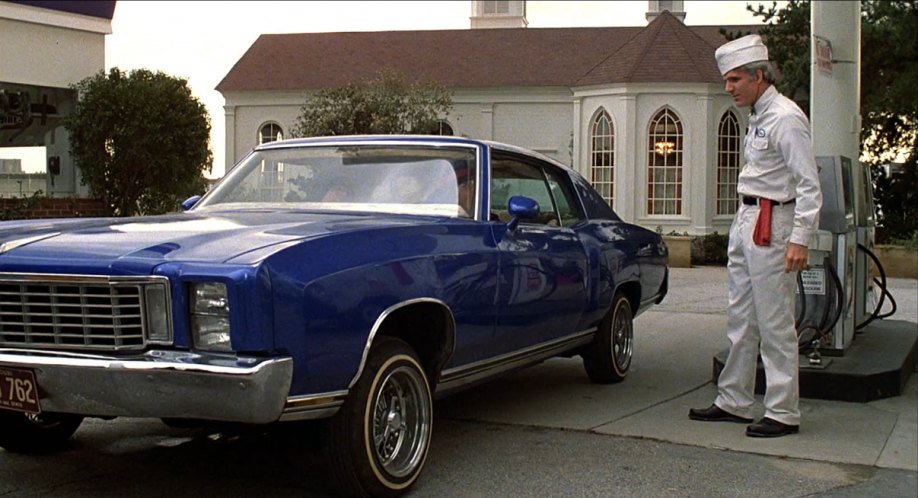
Featured Car: 1972 Chevrolet Monte Carlo Custom
Navin Johnson grows up as a naive white child raised by a family of Black sharecroppers in rural Mississippi before heading out on his own to find his "special purpose." He eventually becomes an overnight multi-millionaire after inventing the Opti-Grab, a small plastic handle that attaches to the bridge of eyeglasses to prevent them from slipping down the nose. The dream begins to crumble when a high-profile legal battle emerges, claiming the popular invention has left its users permanently cross-eyed. The film became one of the defining comedies of the late 1970s and helped establish Martin as a major comedic star.
As iconic as it is sharp, car fans will immediately spot the heavily customized 1972 Chevrolet Monte Carlo, the lowrider that previously starred in the Chicano cult classic Boulevard Nights which appeared first in theaters in 1979. Appearing during the early part of his journey, the car features are the exact same from both films including the striking metallic candy-blue paint job and sits on classic deep-dish chrome wire rims.
Set It Off (1996)
Directed by F. Gary Gray
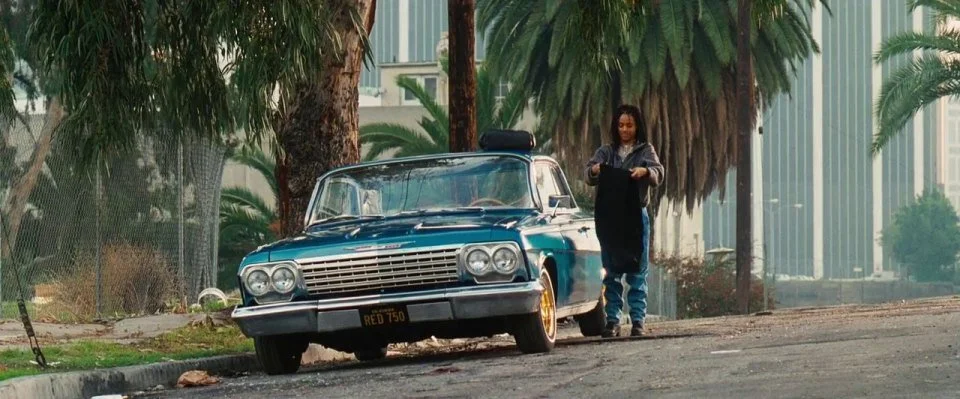
Featured Car:1962 Chevrolet Impala Sport Coupe
Set It Off follows four fiercely close friends from Los Angeles who turn to bank robbery after poverty, police brutality, and dead-end jobs leave them desperately in need for better lives. Considered a landmark in 90s urban films, Set It Off’s gritty violent realism catapulted the careers of leads Vivica Fox and Jada Pinkett while cementing Queen Latiah as not only a hip hop icon but a seriously impressive actress.
One of the cool things about the 1962 Chevrolet Impala Sport Coupe is that you can see its transformation from a primered beater ride to a full fledged classic lowrider complete with a vivid aqua blue paint job and gold spoke rims. The car perfectly complements not just the story arc of the actresses but also the closeness and sincerity of South Central Los Angeles’ street culture.
Crackers (1984)
Directed by Louis Malle
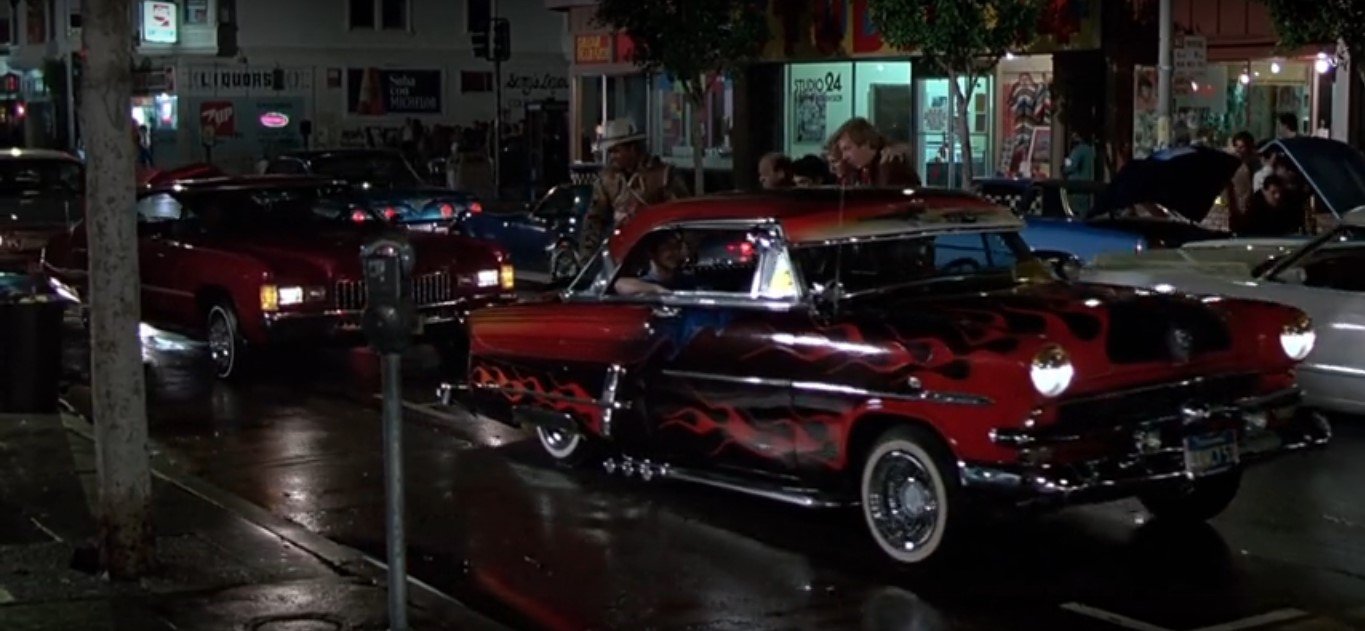
Featured Car:1953 Ford Crestline Victoria
Crackers follows a group of eccentric San Francisco locals, including Sean Penn, Donald Sutherland and the hilarious Wallace Shawn, that plot to rob a pawn shop owned by shady pawnbroker Jack Warden. Despite its oddball plot, the film delivers on quirky crime caper energy using San Francisco’s legendary Mission District as an impressive backdrop.
There are some seriously remarkable classic rides scattered throughout the film, but the real standout is a gorgeous 1953 Ford Crestline Victoria. Covered in chrome and dripping with a 1950s style flame paint job, the Crestline gives the film that extra layer of San Francisco street style. It's unfortunate that the car does not have enough screen time but it definitely impresses with what it does have.
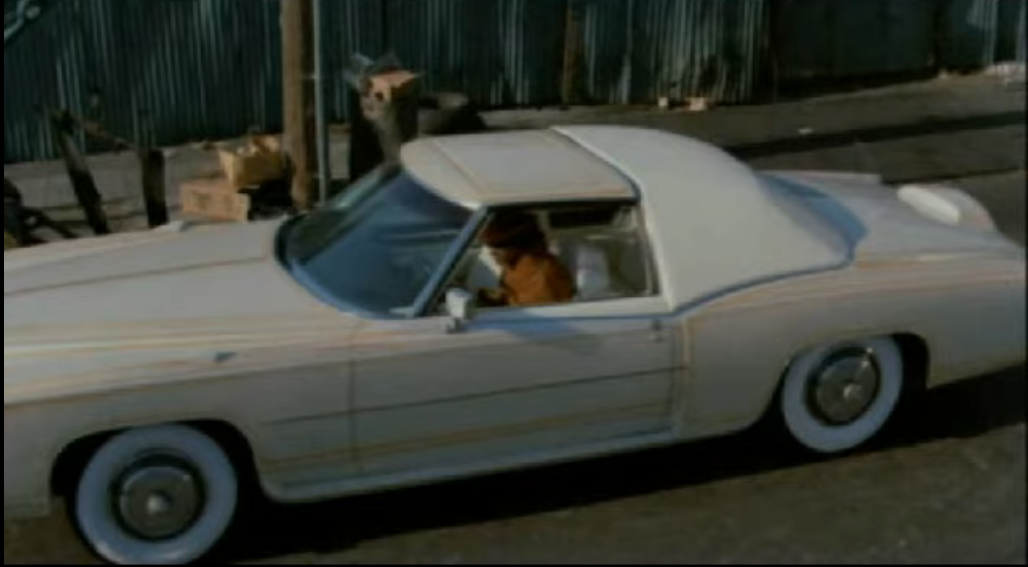
The Mack (1973)
Directed by Michael Campus
Featured Car:1972 Cadillac Fleetwood Eldorado Custom
Ex-con Goldie rises through the streets of Oakland to become one of the city’s most powerful pimps while navigating his community, corruption, and escalating violence. Widely considered one of the definitive blaxploitation films of all time, the movie became an enduring influence on hip-hop culture and urban cinema. The story is famously rooted in the true-to-life exploits of the Ward Brothers—Frank, Ted, Leo, and Willie—who were the actual kings of the Oakland underworld during the 1960s and 70s. Their real-world involvement within the production brought an unmatched level of grit and authenticity to the film,while embedding the era's flamboyant street fashion into the permanent iconography of Black cinema.
The film’s most iconic vehicle is Goldie’s customized 1972 Cadillac Fleetwood Eldorado, a car that was far more than just a prop. The car actually belonged to the Ward Brothers Frank and Ted. The brothers lent their personal "pimp-mobile" to the production to ensure the movie had authentic street credibility. The El Dorado was customized with extravagant trim including an oversized chrome grill, Superfly style headlight covers, a distinctive Goddess hood ornament, and completed with a striking metallic gold flake paint job. The car was recently found in Oakland California, tucked away in storage for many years and as of 2022, was on its way to being fully restored.
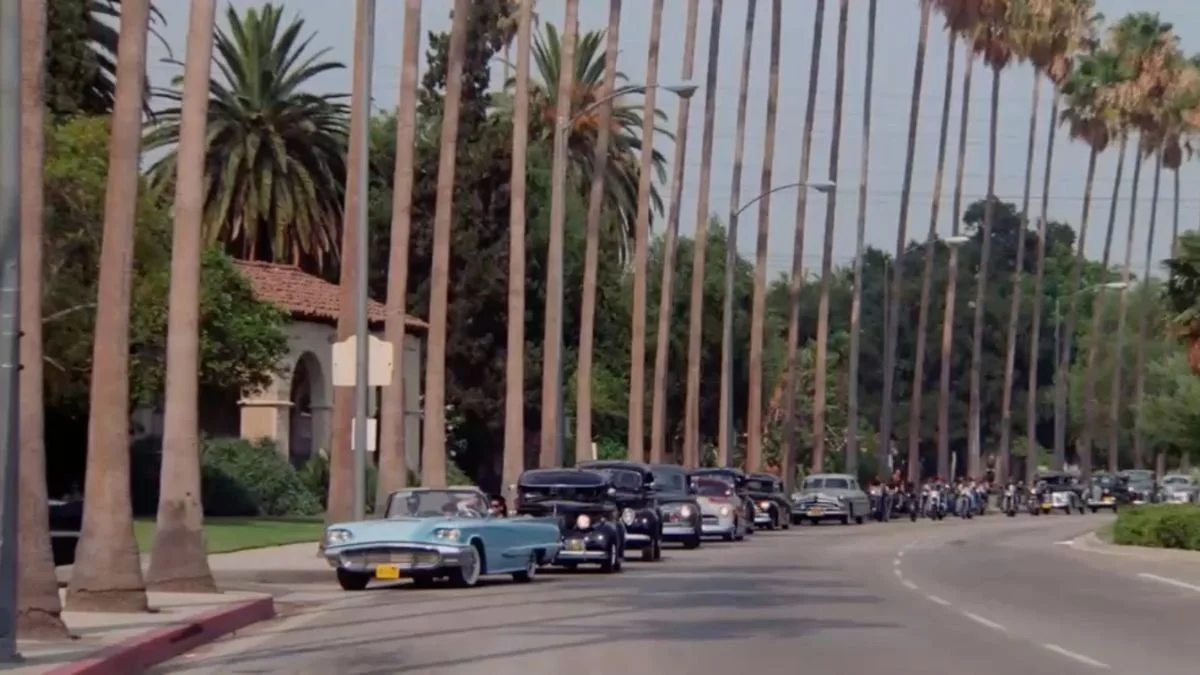
La Bamba (1987)
Directed by Luis Valdez
Featured Car: 1959 Ford Thunderbird Convertible
La Bamba tells the story of Ritchie Valens, the Mexican-American teenager from Pacoima who skyrocketed from working in the fields to becoming rock and roll's first Chicano star. The film captures the joy of his meteoric rise alongside his strained relationship with his older brother Bob. Lou Diamond Phillips's breakout performance helped cement Ritchie's legacy long after his tragic death in a plane crash that also claimed Buddy Holly, J.P. "The Big Bopper" Richardson, as well as 21-year-old pilot Roger Peterson.
Ritchie's success comes full circle behind the wheel of a gleaming 1959 Ford Thunderbird Convertible, the flashy new ride he's driving when he surprises his mother with a brand new house bought with his own earnings. It's a far cry from the family's days picking crops together, and the T-Bird perfectly captures a migrant farmworking kid finally arriving as a star. Fittingly, 1959 was also the year that stardom, and Ritchie's life, came to an end.
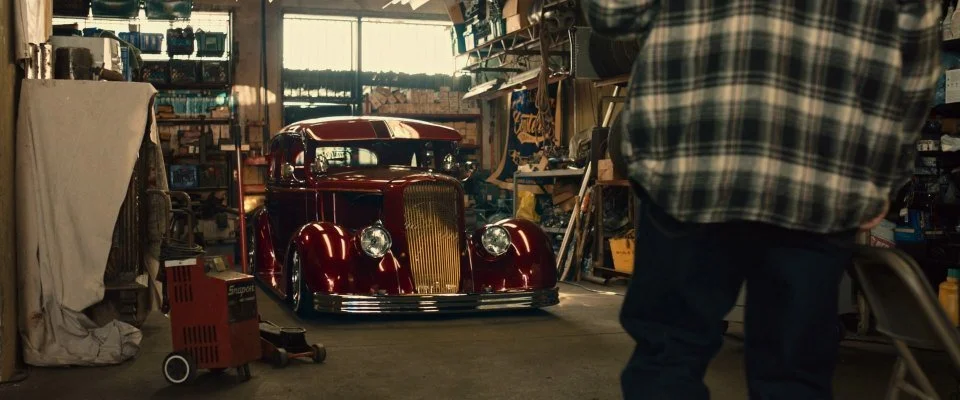
Lowriders (2016)
Directed by Ricardo de Montreuil
Featured Car: 1936 Chevrolet Master De Luxe
Lowriders follows Danny, a gifted street artist in East Los Angeles torn between his graffiti ambitions and his father Miguel's lowrider-building auto shop. Tensions boil over when Danny's ex-con older brother Francisco, nicknamed "Ghost," returns home still carrying old resentments toward their father.
While Miguel's candy green Impala "Green Poison" is the film's showpiece, a true legend of the real lowrider world rolls through too: the 1936 Chevrolet Master De Luxe known as "El Padrote." This real-deal "bomb" belongs to Mario De Alba Sr. of the Elite Car Club, featuring a red velvet interior, 13x7 Zenith wire wheels, and a 350 GM crate motor paired with smooth Hoppo's hydraulics. The build earned El Padrote the 2011 Bomb of the Year title and a spot in the Petersen Automotive Museum's lowrider collection.